
Showing posts with label sermons. Show all posts
Showing posts with label sermons. Show all posts
Thursday, April 18, 2013
Sermon: “On Pastors and Pastures”
A sermon from Good Shepherd Sunday 2006.
“On Pastors and Pastures”
John 10:11-18, Psalm 23
May 7, 2006
Lake Harriet Christian Church
Minneapolis, MN
I have to “blame” our Associate Minister, Tammy Rottschaefer for this sermon. For a while she has commented on the problem with parts of the church today in that we don’t know how to be church together. Somehow, all that talking about being church, sunk into me. For the past few months, I’ve been thinking about what it means to be church at this time and place. I’ve also been thinking a lot about what it means to be a pastor, a question that has been on my mind since I was ordained nearly four years ago.
Keep reading “On Pastors and Pastures”


Saturday, March 09, 2013
Sermon: “Three Beeps Means ‘I Love You’”
This is a sermon from my Community of Grace days. I think my sermon writing is a lot better than it was back then, but the essence of the sermon is still prescient.
“Three Beeps Means ‘I Love You’”
Micah 6:1-8
January 23, 2005
Community of Grace Christian Church
St. Paul, MN
“Three Beeps Means ‘I Love You’”
Micah 6:1-8
January 23, 2005
Community of Grace Christian Church
St. Paul, MN
I’m going to break tradition here in that I am using a text that is appointed for next week. However, since we are a bimonthly church, I think that’s okay and I think this text is timely-I didn’t want to miss the chance of preaching on it.
A year ago, next month, my best friend Erik and I moved into a home we purchased together. It was a heady time. Neither of us could believe that we were buying a home. We were surprised that any bank would even loan us $100,000-plus to buy a home. We moved in and got situated in our new surroundings in North Minneapolis. One day, I noticed this stocky woman come out of a house across the alley and into her Subaru wagon. Now I know stereotypes are a bad thing, but I wondered if she was a lesbian. When I saw the equal sign bumper sticker on the Subaru, I knew.
Keep reading Sermon: “Three Beeps Means ‘I Love You’” :
'via Blog this'
Monday, December 10, 2012
Sunday, December 09, 2012
Saturday, November 24, 2012
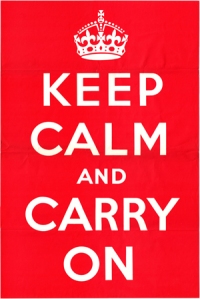
Sunday Sermon: “Keep Calm and Carry On”
“Keep Calm and Carry On”
Mark 13:1-8 and Hebrews 10:11-18
Twenty Fifth Sunday of Pentecost
November 18, 2012
First Christian Church
Minneapolis, MN
 I
can remember that afternoon very clearly. It was a rainy Sunday and I
was taking a nap after church. It was then we heard the sirens go on.
We turned on the radio and heard about a funnel cloud being sited not
too far from our house. I peeked through the window to see the trees in
the neighborhood being whipped back and forth in the high winds. I ran
back towards the bedroom telling my partner Daniel that we needed to
get downstairs right now. I grabbed my cat Felix and we made our way
downstairs. As we made our way down the stairs, we could hear a mighty
whooshing sound and soon thereafter, the power went out. We stayed
downstairs for a while until the storm outside calmed down. The house
was okay, there was no damage, but as we made our way out of the house,
we saw the devastation. Large trees were uprooted, roofs were blown off
houses. Daniel and I, along with the rest of North Minneapolis had
just gone through a tornado.
I
can remember that afternoon very clearly. It was a rainy Sunday and I
was taking a nap after church. It was then we heard the sirens go on.
We turned on the radio and heard about a funnel cloud being sited not
too far from our house. I peeked through the window to see the trees in
the neighborhood being whipped back and forth in the high winds. I ran
back towards the bedroom telling my partner Daniel that we needed to
get downstairs right now. I grabbed my cat Felix and we made our way
downstairs. As we made our way down the stairs, we could hear a mighty
whooshing sound and soon thereafter, the power went out. We stayed
downstairs for a while until the storm outside calmed down. The house
was okay, there was no damage, but as we made our way out of the house,
we saw the devastation. Large trees were uprooted, roofs were blown off
houses. Daniel and I, along with the rest of North Minneapolis had
just gone through a tornado.
Keep reading...
Mark 13:1-8 and Hebrews 10:11-18
Twenty Fifth Sunday of Pentecost
November 18, 2012
First Christian Church
Minneapolis, MN
 I
can remember that afternoon very clearly. It was a rainy Sunday and I
was taking a nap after church. It was then we heard the sirens go on.
We turned on the radio and heard about a funnel cloud being sited not
too far from our house. I peeked through the window to see the trees in
the neighborhood being whipped back and forth in the high winds. I ran
back towards the bedroom telling my partner Daniel that we needed to
get downstairs right now. I grabbed my cat Felix and we made our way
downstairs. As we made our way down the stairs, we could hear a mighty
whooshing sound and soon thereafter, the power went out. We stayed
downstairs for a while until the storm outside calmed down. The house
was okay, there was no damage, but as we made our way out of the house,
we saw the devastation. Large trees were uprooted, roofs were blown off
houses. Daniel and I, along with the rest of North Minneapolis had
just gone through a tornado.
I
can remember that afternoon very clearly. It was a rainy Sunday and I
was taking a nap after church. It was then we heard the sirens go on.
We turned on the radio and heard about a funnel cloud being sited not
too far from our house. I peeked through the window to see the trees in
the neighborhood being whipped back and forth in the high winds. I ran
back towards the bedroom telling my partner Daniel that we needed to
get downstairs right now. I grabbed my cat Felix and we made our way
downstairs. As we made our way down the stairs, we could hear a mighty
whooshing sound and soon thereafter, the power went out. We stayed
downstairs for a while until the storm outside calmed down. The house
was okay, there was no damage, but as we made our way out of the house,
we saw the devastation. Large trees were uprooted, roofs were blown off
houses. Daniel and I, along with the rest of North Minneapolis had
just gone through a tornado.Keep reading...
Wednesday, August 01, 2012
Sunday Sermon: July 29, 2012
“Left Behind”
John 6:1-21 and Ephesians 3:14-21
July 29, 2012
First Christian Church
Minneapolis, MN
I was never good at sports, but I tried anyway. In high school, I was in cross-country and long distance track. In the summer of 1984, the summer between my freshman and sophomore year in high school, I went with several of my cross country team members to a week-long camp at a state park in Northern Michigan. We would practice during the day and the evening after dinner was on our own. A few nights we would walk about two miles or so to lodge that had a large recreation room. Most folks would play on the pool table or some of the other games in the room. One night as we all gathered, I decided to leave the room for a bit to go to the restroom. Most of the guys were talking to some girls who had showed up. I didn’t think much of this as I left the room.
Keep reading...
John 6:1-21 and Ephesians 3:14-21
July 29, 2012
First Christian Church
Minneapolis, MN
I was never good at sports, but I tried anyway. In high school, I was in cross-country and long distance track. In the summer of 1984, the summer between my freshman and sophomore year in high school, I went with several of my cross country team members to a week-long camp at a state park in Northern Michigan. We would practice during the day and the evening after dinner was on our own. A few nights we would walk about two miles or so to lodge that had a large recreation room. Most folks would play on the pool table or some of the other games in the room. One night as we all gathered, I decided to leave the room for a bit to go to the restroom. Most of the guys were talking to some girls who had showed up. I didn’t think much of this as I left the room.
Keep reading...
Saturday, July 21, 2012
Sunday Sermon: McJesus
This was a sermon I wrote and intended to preach at United
Lutheran Church in Grand Forks, ND in 2006. I never preached this
sermon, but wrote another one for that Sunday. Since I'm preaching on
this text again on July 29, I thought I'd share this with you all.
“McJesus”
John 6:1-21
United Lutheran Church
Grand Forks, ND
July 30, 2006
It's been about seven years since I went to China through Luther Seminary. As
part of a small group of seminarians, I spent two weeks in Hong Kong
and then got on a plane to travel to the city of Kunming in Western
China. The bulk of our time in this part of China was spent visiting villages up in the mountains outside of Kunming. A typical day would entail driving up the mountain to the village. Now, since these villages were small, this was a big event. In
many cases,we were the first Westerners they had seen in a long time
and they wanted to welcome their fellow Christians who traveled halfway
around the world to visit them. The entire town would come out to greet us and then we were welcomed to dinner. In our eyes, the dinner seemed rather humble, consisting of rice, pork and vegatables. However, for these villagers, it was a BIG deal. We ate graciously and then went to the church service.
After a wonderful send off, we would go the next village and get another big welcome and yes, another big meal. And if you went to another village...you'd get another meal.
The thing is, you couldn't refuse the meal. I mean, the townsfolk wanted to cook a special meal to welcome their guests. They wanted to fellowship with their fellow Christians and they had to have the best for us.
I can tell you after eating all that rice, it was about a month before I could even touch the stuff again.
As I look back on that experience, I know that it didn't matter that we had eaten at the village down the road. The food was just a way of saying thanks and welcoming us. For
these people who lived in a society where the government ranged at
times from indifferent to hostile, this meeting was important. These poor, mountainfolk gave their all to make sure we had a good time.
Today's gospel text reminds me a lot of those Christians in China. It's a pretty familiar text, in fact it shows up in all four gospels. Jesus
and his disciples are attending to the needs of the multitude and for
some reason, it becomes clear that the multitude needs to be fed. Jesus takes a boy's lunch, blesses it, and then has his disciples distribute the meal among th e crowd. There is enough to feed the crowd of 5,000 and then some. What makes John's story interesting is that the crowd is a little bit more active. They see this sign from this person and decide to make Jesus king. He
decides to give them the slip, but even though Jesus could feed a crowd
with some bread and sardines, he wasn't that good at evading a crowd of
people. What happens next is not found in the appointed
texts for today, which is a shame, because this portion of John 6 is
probably the heart of this text, not the miracle itself. What takes
place is a discourse between Jesus and crowd. The crowd sees Jesus as a someone who will fill their bellies, an eternal meal ticket. Jesus
is talking about being the Bread of Life and that those who eat this
bread will never die. The discussion goes back and forth until the crowd
leaves dejected and puzzled. How can this man be bread, they ask. He expects us to eat his flesh and blood?
The crowd missed an opportunity. They had an encounter with the holy. It was God in Christ that fed this crowd as God had done thousands of years before with their ancestors in the desert. Jesus took what seemed to be not enough to feed a crowd and fed everyone, with more than enough left over. God in Jesus had shown generosity. Instead of being thankful, the crowd was greedy. They
saw Jesus not as the Son of God, but as some first century version of
McDonald's, someone who could provide for them the food they needed on
demand.
So, as you Lutherans are fond of saying, what does this mean for us?
I've
been aware that the theme here at United during the summer is “Breathe
Deep” a chance to rest and take in God's goodness and breath out the
Spirit. The crowd had a chance to take in the goodness of God. They had a chance to just sit, rest and breathe in God. The problem was they were too busy looking for their next meal to sit down and rest.
I can tell this text has some importance in my life. As some of you might know, I'm the pastor of a new church start in the Twin Cities. It takes a lot of work to get a church off the ground. In the past year or so, our church was busy trying to grow and grow big. We moved to a certain part of town we thought would grow and developed services that we thought would pack them in.
And you know what? It didn't. Very few people showed up to these services and those of us on staff felt a bit dejected. I can't speak for the other staff, but I tend to think that I got my eye off the mark. I was busy trying to make the church attractive to people. Now, that's not necessarily a bad thing, but it became the central focus. Our church is named Community of Grace and I wasn't allowing myself to experience that grace and share with it others. I fear that I was making Jesus into a commodity, just like the crowd in John.
The thing is, Jesus invites us all to a banquet where we can fill out empty souls. We don't have to do anything to receive it, but just receive it. And when we do, something happens. We want to go out and share that generosity with others. That's what we do when we come to the table. We are invited to Christ's table and we are reminded of God's graciousness on the cross. And
when we have finished, we go out into the world to bring God's message
of salvation or healing to a hungry and hurting world.
There is one person at Community of Grace that reminds me that being church is about coming to the table. Jim has been a member of the church since the beginning. He didn't come to Community of Grace because of any special thing we did, but simply because someone asked. This was someone who felt estranged from church for a long time and now felt welcomed. And you can see it on his face during Sunday worship. It
doesn't matter if the musicians hit a wrong note or if the pastor has a
hard time trying to break the communion bread, he just takes it all
in-like a man at a banquet table who hasn't had anything to eat in a
long time.
This is who Jesus is to us: setting a table for us and welcoming us. All we have to do is take a rest from our busy lives and eat it up.
I have to leave you with one more story. Since it's summer and Community of Grace meets in the evenings, I've taken it to visit other churches. I
recently visited a Lutheran church in Minneapolis and during communion,
a mother and her daughter who was recently adopted from China come
forward. She held her hands open expectantly waiting for the bread. The pastor gave her the bread and she gobbled it up with passion.
THAT, my friends is how we should come before God; expectant, waiting and taking it all in.
The meal is ready. Just remember to say grace beforehand. Thanks be to God. Amen.
Sunday, June 10, 2012
Sermon: Water is Thicker Than Blood
“Water is Thicker Than Blood”
Mark 3: 20-35 and 2 Corinthians 4:13 - 5:1
June 10, 2012
First Christian Church
Minneapolis, MN
Thursday, May 31, 2012
Trinity Sunday Sermon: "Come to the Table"
With Trinity Sunday coming up, I decided to share a sermon I gave on Trinity Sunday 2009.
“Come to the Table”
Isaiah 6:1-8, John 3:1-17
June 7, 2009
Trinity Sunday
First Christian Church
Minneapolis, MN
 A
few months ago, my partner Daniel and I were invited to have high tea.
A friend of mine this in an auction and she invited serveral of her
friends to the event, including me.
A
few months ago, my partner Daniel and I were invited to have high tea.
A friend of mine this in an auction and she invited serveral of her
friends to the event, including me.
I was not looking forward to it.
I had this fear that I would have to learn to how have tea. I was scared that I would not hold the tea cup in the right way and that I would make a fool of myself.
Well, the day came and Daniel and I went to a suburban house in Richfield. A woman in her 50s or 60s came to the door dressed quite nicely. We went in and sat down at a table that was adorned with nice china. It was all nice, but I was nervous. Finally, it was time for the tea and the cookies. But instead of worrying about if I had to have my pinky up or not, what happened was rather surprising. The circle of friends gathered and started sharing what was going on in their lives. My fears subsided as I realized there was less concern about getting things right than there was about the relationships that were happening at that moment.
The Sunday after Pentecost is called Trinity Sunday, when we focus on God as the Three in One: God the Father or Creator, God the Son or the Redeemer, and God the Holy Spirit or Sustainer. This Sunday is an interesting Sunday for those of us who belong to this tradition in Christianity called the Disciples of Christ. Alexander Campbell, one of the founders of what became the Disciples, did not focus on the Trinity. The reason was that there was no mention of it in the Bible. Since we were a people of the book, it made no sense to spend time in a concept that was not mentioned in the Bible.
And he is right of course, if you read the Bible, especially the New Testament, you will not find the word, “trinity.” The concept of Trinity is not a biblical per se, it’s a doctrinal statement that came later in the life of the Chrisitianity. So, since it was considered a doctrine, and we Disciples tend to be non-doctrinal, the Trinity doesn’t get talked about a whole lot among Disciples.
Now, one doesn’t have to believe in the Trinity to be a good Christian. However, it is a way to think about the nature of God, a way to explain God. There are a lot of different ways to try to describe God and the Trinity is one of those ways. The Trinity also reminds us how we are to be church, how we are to be God’s children in the world. For some reason, the Trinity has me thinking of food and tea, tables, mission and grace.
In the John text, we introduced to Nicodemus. We find out that he is a Pharisee and is intriguied by Jesus. He comes to visit Jesus under the cover of darkness to find out more about this man. I can imagine him walking down the streets at night, trying to make sure no one sees him and then going to a door on a side street and knocking the door. One of the disciples opens the door and leads him to a room where Jesus is sitting with tea or coffee at the waiting. Nicodemus sits and the two converse among many, many cups of tea. Nicodemus was well versed in the law and believed he had done all the right things. But Jesus starts talking about being “born again” and about how being born of water and Spirit. Jesus tells Nicodemus that it is not about one has done for God, but what God has done for us; how God loved the world so much that he sent Jesus to live among us.
What happens during this late night visit is the beginning of a relationship. Nicodemus is captivated by this man named Jesus, and begins to get closer to him. We later see the Pharisee stand up for Jesus and after the crucifixion works with others to find proper burial place for Jesus.
In our Isaiah text, we see that a person is being called by God to a mission. Unlike the quiet setting found in John, this story seems rather frightening. There are angels with several wings that don’t seem like those gentle versions we see on television. We can imagine a loud voice calling the person to do this thing for God. And the person replies that he is not worthy to do carry out God’s mission. And then we have this odd vision of one of these horrid looking angels getting a fiery coal and placing it on the person’s mouth as a sign of his now being made clean by God. Once he was made clean by God, the person in this story can now claim in a strong voice, “here I am! Send me.”
If there is one thing I want you to remember, is that the concept of the Trinity is about seeing God as a God that wants to be in relationship. God is in relationship within God, and God wants to be relationship with all of creation, including humanity.
There is a painting by Andrei Rublev, a Russain artist, that shows what the Trinity is all about and gives a clue into what it means to be church. (show the painting).
Gathered around a table are three figures reprenting the Trinity. You can see the three seated around this table and sharing each others lives. Notice that there is one seat that is open. It’s an ivitation to come and sit with God.
God is not about trying to do the right thing. In some ways, many people are like I was before that tea party, worried that I would do the wrong thing. But God is more interested in having a relationship with us.
Sometimes we are afraid to be in relationship with God. Sometimes we feel that we are not worthy and sometimes we just stay away. But just as God cleaned the writer in Isaiah, we are made clean by God through Jesus Christ. It was through the life death and ressurection that we are made clean and called to do God’s work in the world.
As members of First Christian, we have been in the midst of a study called Ubinding the Gospel and we have been implored to learn to share the good news of Jesus with others. I can imagine, that at times, we might feel not up to the task. We feel ashamed that we are not sharing the gospel with others and feel unclean.
I want to challenge you to see sharing the good news not in the form of a task that one should do, as some boring task of duty, but as engaging in a relationship. It’s about sharing our lives with each other over a cup of coffee. It’s about inviting someone to dinner and seeing how your family and friends are doing. Evangelism isn’t not about trying to accost someone with the good news of God, but it is going out in the world and being in relationship with people; sharing our lives with each other. And since God is part of our lives, we will share that part of our life as well.
I want to read something to you: it’s the mission statement for First Christian. “In response to the grace of God, the mission of First Christian Church is to be a Christ-centered presence, to share the Good News of Jesus Christ, and to witness through service to God’s World.”
We don’t go out and talking about how we encounter God because we have to. We do it in response for what God has done for us. God has in Jesus showed that God loves us. In response that we are loved by God, we can be a presence in the world, being in relationship with our friends and neighbors and even strangers. We seek to get to know people and get to know about their hopes and fears and seek ways to help them and to just be Christ to them. We seek to be in relationship when we serve food to the hungry at St. Stephen’s shelter. Being church is not about a building or committee, or pews or an organ. Those are all nice, but church is about a table,, where the Trinity invites us to come and share our lives and where we are so in love with God that we want to go out and invite others to the table.
And that’s what we do every week, don’t we? We come to this table where we are reminded of God’s love for us. We don’t have to worry if we are worthy, God has already made us worthy, God has made everyone worthy.
I want to leave you with a final image. As many of you know, there was a time long ago, when I was a member of this congregation. I remember the first time I visited this church, Labor Day weekend of 1996. I went to the service and then came home to do some other things. Later that evening, a I heard a knock on the door. There was a man in his 50s with a loaf of bread and a packet. The man was from First Christian and wanted to thank me for visiting. The man was Garry Hesser, who is a member here. I was invited to enter a relationship and decided to take up the invite. I would remember later on having conversations with Garry and Martha Harris over tea as we talked about the nature of God.
God is not calling us to duty; God wants us to be in realtionship with God and with each other. God is about having tea with friends and sharing our lives. We are invited to the Table. Come to the Table. Be yourself. Feel free to invite others. Thanks be to God. Amen.
The painting is called The Trinity, by Andrei Rublev.
“Come to the Table”
Isaiah 6:1-8, John 3:1-17
June 7, 2009
Trinity Sunday
First Christian Church
Minneapolis, MN

I was not looking forward to it.
I had this fear that I would have to learn to how have tea. I was scared that I would not hold the tea cup in the right way and that I would make a fool of myself.
Well, the day came and Daniel and I went to a suburban house in Richfield. A woman in her 50s or 60s came to the door dressed quite nicely. We went in and sat down at a table that was adorned with nice china. It was all nice, but I was nervous. Finally, it was time for the tea and the cookies. But instead of worrying about if I had to have my pinky up or not, what happened was rather surprising. The circle of friends gathered and started sharing what was going on in their lives. My fears subsided as I realized there was less concern about getting things right than there was about the relationships that were happening at that moment.
The Sunday after Pentecost is called Trinity Sunday, when we focus on God as the Three in One: God the Father or Creator, God the Son or the Redeemer, and God the Holy Spirit or Sustainer. This Sunday is an interesting Sunday for those of us who belong to this tradition in Christianity called the Disciples of Christ. Alexander Campbell, one of the founders of what became the Disciples, did not focus on the Trinity. The reason was that there was no mention of it in the Bible. Since we were a people of the book, it made no sense to spend time in a concept that was not mentioned in the Bible.
And he is right of course, if you read the Bible, especially the New Testament, you will not find the word, “trinity.” The concept of Trinity is not a biblical per se, it’s a doctrinal statement that came later in the life of the Chrisitianity. So, since it was considered a doctrine, and we Disciples tend to be non-doctrinal, the Trinity doesn’t get talked about a whole lot among Disciples.
Now, one doesn’t have to believe in the Trinity to be a good Christian. However, it is a way to think about the nature of God, a way to explain God. There are a lot of different ways to try to describe God and the Trinity is one of those ways. The Trinity also reminds us how we are to be church, how we are to be God’s children in the world. For some reason, the Trinity has me thinking of food and tea, tables, mission and grace.
In the John text, we introduced to Nicodemus. We find out that he is a Pharisee and is intriguied by Jesus. He comes to visit Jesus under the cover of darkness to find out more about this man. I can imagine him walking down the streets at night, trying to make sure no one sees him and then going to a door on a side street and knocking the door. One of the disciples opens the door and leads him to a room where Jesus is sitting with tea or coffee at the waiting. Nicodemus sits and the two converse among many, many cups of tea. Nicodemus was well versed in the law and believed he had done all the right things. But Jesus starts talking about being “born again” and about how being born of water and Spirit. Jesus tells Nicodemus that it is not about one has done for God, but what God has done for us; how God loved the world so much that he sent Jesus to live among us.
What happens during this late night visit is the beginning of a relationship. Nicodemus is captivated by this man named Jesus, and begins to get closer to him. We later see the Pharisee stand up for Jesus and after the crucifixion works with others to find proper burial place for Jesus.
In our Isaiah text, we see that a person is being called by God to a mission. Unlike the quiet setting found in John, this story seems rather frightening. There are angels with several wings that don’t seem like those gentle versions we see on television. We can imagine a loud voice calling the person to do this thing for God. And the person replies that he is not worthy to do carry out God’s mission. And then we have this odd vision of one of these horrid looking angels getting a fiery coal and placing it on the person’s mouth as a sign of his now being made clean by God. Once he was made clean by God, the person in this story can now claim in a strong voice, “here I am! Send me.”
If there is one thing I want you to remember, is that the concept of the Trinity is about seeing God as a God that wants to be in relationship. God is in relationship within God, and God wants to be relationship with all of creation, including humanity.
There is a painting by Andrei Rublev, a Russain artist, that shows what the Trinity is all about and gives a clue into what it means to be church. (show the painting).
Gathered around a table are three figures reprenting the Trinity. You can see the three seated around this table and sharing each others lives. Notice that there is one seat that is open. It’s an ivitation to come and sit with God.
God is not about trying to do the right thing. In some ways, many people are like I was before that tea party, worried that I would do the wrong thing. But God is more interested in having a relationship with us.
Sometimes we are afraid to be in relationship with God. Sometimes we feel that we are not worthy and sometimes we just stay away. But just as God cleaned the writer in Isaiah, we are made clean by God through Jesus Christ. It was through the life death and ressurection that we are made clean and called to do God’s work in the world.
As members of First Christian, we have been in the midst of a study called Ubinding the Gospel and we have been implored to learn to share the good news of Jesus with others. I can imagine, that at times, we might feel not up to the task. We feel ashamed that we are not sharing the gospel with others and feel unclean.
I want to challenge you to see sharing the good news not in the form of a task that one should do, as some boring task of duty, but as engaging in a relationship. It’s about sharing our lives with each other over a cup of coffee. It’s about inviting someone to dinner and seeing how your family and friends are doing. Evangelism isn’t not about trying to accost someone with the good news of God, but it is going out in the world and being in relationship with people; sharing our lives with each other. And since God is part of our lives, we will share that part of our life as well.
I want to read something to you: it’s the mission statement for First Christian. “In response to the grace of God, the mission of First Christian Church is to be a Christ-centered presence, to share the Good News of Jesus Christ, and to witness through service to God’s World.”
We don’t go out and talking about how we encounter God because we have to. We do it in response for what God has done for us. God has in Jesus showed that God loves us. In response that we are loved by God, we can be a presence in the world, being in relationship with our friends and neighbors and even strangers. We seek to get to know people and get to know about their hopes and fears and seek ways to help them and to just be Christ to them. We seek to be in relationship when we serve food to the hungry at St. Stephen’s shelter. Being church is not about a building or committee, or pews or an organ. Those are all nice, but church is about a table,, where the Trinity invites us to come and share our lives and where we are so in love with God that we want to go out and invite others to the table.
And that’s what we do every week, don’t we? We come to this table where we are reminded of God’s love for us. We don’t have to worry if we are worthy, God has already made us worthy, God has made everyone worthy.
I want to leave you with a final image. As many of you know, there was a time long ago, when I was a member of this congregation. I remember the first time I visited this church, Labor Day weekend of 1996. I went to the service and then came home to do some other things. Later that evening, a I heard a knock on the door. There was a man in his 50s with a loaf of bread and a packet. The man was from First Christian and wanted to thank me for visiting. The man was Garry Hesser, who is a member here. I was invited to enter a relationship and decided to take up the invite. I would remember later on having conversations with Garry and Martha Harris over tea as we talked about the nature of God.
God is not calling us to duty; God wants us to be in realtionship with God and with each other. God is about having tea with friends and sharing our lives. We are invited to the Table. Come to the Table. Be yourself. Feel free to invite others. Thanks be to God. Amen.
The painting is called The Trinity, by Andrei Rublev.
Wednesday, April 11, 2012
Doubt, Fear and Church Planting
On this upcoming Second Sunday of Easter, I wanted to share this sermon I preached back in 2006. It dealt a bit with some of the struggles of church planting and relating that to the fear of the disciples in the locked room. Here's a snippet:
Read the whole thing.
You know, I’ve learned something about starting a church: it’s damn hard.
Okay, you probably didn't expect a pastor to use the word “damn” in a sermon, but the fact of the matter is, planting a church is hard. It’s hard for a lot of reasons, but mainly because those involved in planning the church have such grand visions. I had hoped tons of people would show up and that our denominational bodies would give us tons of money to help us get started. In a way, I’m like the person Gordon Atkinson is talking about: I wanted to create this really cool church with a swingin’ pastor that would just be kick-ass.
What happened? Rev. Sanders got introduced to little thing called reality. Lot’s of people haven’t shown up. Some have stayed for a while and then moved on. Others made tons of excuses. As for the money, the denomination isn’t in the position to give us loads of money, though the money we have received has been helpful. To top things off, I worry about my colleague and fellow co-pastor who is trying to look for work and keep his financial ship from sinking. I can remember preparing wondering worship services with mind-blowing sermons and only two people show up. And there are times when I feel that no one cares about Community of Grace and no one would miss us.
Maybe that's why today's gospel text is so important for me, and someone must have thought it was an important word for the Church to hear, because it's the only text that appears during all three years of the revised common lectionary. As the story opens, ten of the disciples are in a locked room in Jerusalem. They were scared. The religious leaders and the Romans had succeeded in killing Jesus and they were probably fearful that they were next.
Read the whole thing.
Tuesday, April 03, 2012
Sunday Sermon: “What a Fool Believes”
“What a Fool Believes”
Mark 1:1-11, Philipians 2:5-11
April 1, 2011 (Palm Sunday)
First Christian Church
Minneapolis, MN
“As members of the Christian Church,
We confess that Jesus is the Christ,
the Son of the living God,
and proclaim him Lord and Savior of the world.
In Christ's name and by his grace
we accept our mission of witness
and service to all people.”
The first car I remember was my Dad’s 1965 Buick Wildcat. It was a beautiful car. It had a nice light blue color to it, with those old little windows you can crank out when you didn’t want to roll down the whole window. The memory that sticks in my brain was having dad driving the streets of Flint and heading to the barbershop in this wonderful car. You kind of felt a belt special riding around in the Wildcat.
By the time I entered kindergarten, Dad had bought a new car; a 1974 Buick Electra coupe. It was not as cool as the Wildcat. Though very few cars of the 1970s were that memorable. Dad gave the Wildcat to one of my nephews, who didn’t keep the car up.
It’s interesting what we drive says about us. Some people are concerned about the environment and so they by a Prius. Others like a little muscle and go for the Mustang. Some want a lot of room so they go for an SUV. For those of us who buy cars, by them not only out of necessity, but because we want to make a statement about who we are. Driving a BMW says something different than driving a Chevy.
I initially didn’t want to preach the Palm Sunday text. It’s something that we hear over and over. It seems a times that there isn’t anything about this event that we don’t know. Jesus gets on a donkey or mule or something and rides through Jerusalem with people saying as he passes by, “Hosanna!” We will get the kids to grab a few palm fronds and parade up and down the isle of the sanctuary shout Hosanna, and we talk about how this was the highpoint of Jesus last week before Good Friday. After this, it all goes down from here. Palm Sunday has always felt like a friviolous day to me; a weigh station to the more heady and meaningful for days of Maundy Thursday, Good Friday and Easter.
But thing is, Palm Sunday is meaningful to us. This odd parade tells us something about Jesus, and something about us as well.
Jesus tells two of his disciples to get an animal for him. Some translations say colt, which makes us think of a big horse, but some refer to a foal, which is the offspring of a donkey. A donkey is an interesting animal. It’s in the same family as a horse, but not as majestic. It’s a pack animal, more used to moving things than people. The other thing is that it doesn’t seem like a cool animal to ride on. Whenever I think of someone riding a donkey, it just seems rather foolish than anything else. This hardly seems like the kind of animal Jesus should ride on if he really is the Messiah, the king. It’s like expecting the President to drive a humble Yugo.
But Jesus is saying something here. The leaders of that age, would ride around on top of a horse. Horses are big, majestic animals and they are used for show and for war. A horse was for kings and generals. Being the king of kings, Jesus should have ridden on a mighty horse, but no, Jesus strides into the big city of Jerusalem on top of a lowly donkey.
Phillipians 2 states that Jesus decide to give up his place in the Godhead and became as a slave for our salvation. The riding on a donkey was an outward sign of who Jesus was; giving up his priviledge to share our common lot with us. This was a sign that God was with us, not set apart like most kings, but a king that took on simple clothes and sat with us where we are.
There’s another point I want to make here this morning, and that’s the use of the word “Hosanna.” Now, if you’re like me, you hear that word only once a year- today. Sometimes we will shout it during service and if you’re like me, you might think it’s a word of praise. But that’s not all that it means. The meaning of the word Hosanna in Hebrew means “save.” So, for all these years, the people who shouting Hosanna! as Jesus passed them by, were not simply giving praise to God, but asking, pleading for salvation.
That’s not a surprise; I mean, the Jews had been living under the cruel boot of Rome for a quite sometime and they were looking for someone to come and set them free. I wonder what people thought as they shout for help and they see this guy riding on a donkey. Did they really think he was going to bring salvation and freedom? Was this some kind of joke?
But it wasn’t. This had been part of God’s plan to bring salvation to all of creation. God was constantly find a way to bring good news and freedom to the nations. God set a rainbow in the clouds after the flood to say that God would be in relationship with creation. God chose a people, Israel, to show that God was there to bring liberation. God raised the prophets to call those he loved to get right with God and each other. Finally, God came in the form of a tiny baby that later grew up and rode a donkey looking like a fool. This fool would go on to die on the cross like a criminal and would finally rise again to defeat the powers of sin and death.
It’s interesting that Palm Sunday fell on April Fools Day this year. Fitting, I think. It’s foolish to believe in a God that would be willing to be humiliated all for love. It’s foolish to preach about forgiveness and grace. It all doesn’t make any sense.
Speaking of looking foolish; I am reminded of Don Portwood’s sermon last Sunday at the dedication service. For those of you who don’t know, Don is the pastor of our partner congregation, Lyndale United Church of Christ and he preached a sermon with lots of action and very few words. At one point he takes a large bowl filled with water and attempts to pour it into a small glass. Many of you were there, so you know what happened; water went everywhere; overflowing the glass and leaving a puddle of water on the floor.
Back to Philiipians, Paul says Jesus emptied himself and Don’s futile attempt of filling a glass reminded me of that verse. Jesus didn’t stay on a shelf, but he poured himself into humanity, overflowing and becoming quite a mess. Jesus kept on doing that; on Palm Sunday, on Maundy Thursday and Good Friday.
I began this sermon with the opening words from the Design of the Christian Church (Disciples of Christ) which is sort of an unofficial confession of our tradition. We gather here every Sunday to confess that this man Jesus, born to an unwed mother in some backwater town, was the Savior and Lord of all the creation. The one who rode into town looking like a fool on a donkey is the one that is Ruler over all. The one whose life poured out and brought us salvation is the one in whose name we worship and do works of kindness.
As we enter Holy Week, let us be mindful not only of how God’s love overflowed for us and let us learn how live a life of overflowing love to those around us.
Thanks be to God. Amen.
Mark 1:1-11, Philipians 2:5-11
April 1, 2011 (Palm Sunday)
First Christian Church
Minneapolis, MN
“As members of the Christian Church,
We confess that Jesus is the Christ,
the Son of the living God,
and proclaim him Lord and Savior of the world.
In Christ's name and by his grace
we accept our mission of witness
and service to all people.”
The first car I remember was my Dad’s 1965 Buick Wildcat. It was a beautiful car. It had a nice light blue color to it, with those old little windows you can crank out when you didn’t want to roll down the whole window. The memory that sticks in my brain was having dad driving the streets of Flint and heading to the barbershop in this wonderful car. You kind of felt a belt special riding around in the Wildcat.
By the time I entered kindergarten, Dad had bought a new car; a 1974 Buick Electra coupe. It was not as cool as the Wildcat. Though very few cars of the 1970s were that memorable. Dad gave the Wildcat to one of my nephews, who didn’t keep the car up.
It’s interesting what we drive says about us. Some people are concerned about the environment and so they by a Prius. Others like a little muscle and go for the Mustang. Some want a lot of room so they go for an SUV. For those of us who buy cars, by them not only out of necessity, but because we want to make a statement about who we are. Driving a BMW says something different than driving a Chevy.
I initially didn’t want to preach the Palm Sunday text. It’s something that we hear over and over. It seems a times that there isn’t anything about this event that we don’t know. Jesus gets on a donkey or mule or something and rides through Jerusalem with people saying as he passes by, “Hosanna!” We will get the kids to grab a few palm fronds and parade up and down the isle of the sanctuary shout Hosanna, and we talk about how this was the highpoint of Jesus last week before Good Friday. After this, it all goes down from here. Palm Sunday has always felt like a friviolous day to me; a weigh station to the more heady and meaningful for days of Maundy Thursday, Good Friday and Easter.
But thing is, Palm Sunday is meaningful to us. This odd parade tells us something about Jesus, and something about us as well.
Jesus tells two of his disciples to get an animal for him. Some translations say colt, which makes us think of a big horse, but some refer to a foal, which is the offspring of a donkey. A donkey is an interesting animal. It’s in the same family as a horse, but not as majestic. It’s a pack animal, more used to moving things than people. The other thing is that it doesn’t seem like a cool animal to ride on. Whenever I think of someone riding a donkey, it just seems rather foolish than anything else. This hardly seems like the kind of animal Jesus should ride on if he really is the Messiah, the king. It’s like expecting the President to drive a humble Yugo.
But Jesus is saying something here. The leaders of that age, would ride around on top of a horse. Horses are big, majestic animals and they are used for show and for war. A horse was for kings and generals. Being the king of kings, Jesus should have ridden on a mighty horse, but no, Jesus strides into the big city of Jerusalem on top of a lowly donkey.
Phillipians 2 states that Jesus decide to give up his place in the Godhead and became as a slave for our salvation. The riding on a donkey was an outward sign of who Jesus was; giving up his priviledge to share our common lot with us. This was a sign that God was with us, not set apart like most kings, but a king that took on simple clothes and sat with us where we are.
There’s another point I want to make here this morning, and that’s the use of the word “Hosanna.” Now, if you’re like me, you hear that word only once a year- today. Sometimes we will shout it during service and if you’re like me, you might think it’s a word of praise. But that’s not all that it means. The meaning of the word Hosanna in Hebrew means “save.” So, for all these years, the people who shouting Hosanna! as Jesus passed them by, were not simply giving praise to God, but asking, pleading for salvation.
That’s not a surprise; I mean, the Jews had been living under the cruel boot of Rome for a quite sometime and they were looking for someone to come and set them free. I wonder what people thought as they shout for help and they see this guy riding on a donkey. Did they really think he was going to bring salvation and freedom? Was this some kind of joke?
But it wasn’t. This had been part of God’s plan to bring salvation to all of creation. God was constantly find a way to bring good news and freedom to the nations. God set a rainbow in the clouds after the flood to say that God would be in relationship with creation. God chose a people, Israel, to show that God was there to bring liberation. God raised the prophets to call those he loved to get right with God and each other. Finally, God came in the form of a tiny baby that later grew up and rode a donkey looking like a fool. This fool would go on to die on the cross like a criminal and would finally rise again to defeat the powers of sin and death.
It’s interesting that Palm Sunday fell on April Fools Day this year. Fitting, I think. It’s foolish to believe in a God that would be willing to be humiliated all for love. It’s foolish to preach about forgiveness and grace. It all doesn’t make any sense.
Speaking of looking foolish; I am reminded of Don Portwood’s sermon last Sunday at the dedication service. For those of you who don’t know, Don is the pastor of our partner congregation, Lyndale United Church of Christ and he preached a sermon with lots of action and very few words. At one point he takes a large bowl filled with water and attempts to pour it into a small glass. Many of you were there, so you know what happened; water went everywhere; overflowing the glass and leaving a puddle of water on the floor.
Back to Philiipians, Paul says Jesus emptied himself and Don’s futile attempt of filling a glass reminded me of that verse. Jesus didn’t stay on a shelf, but he poured himself into humanity, overflowing and becoming quite a mess. Jesus kept on doing that; on Palm Sunday, on Maundy Thursday and Good Friday.
I began this sermon with the opening words from the Design of the Christian Church (Disciples of Christ) which is sort of an unofficial confession of our tradition. We gather here every Sunday to confess that this man Jesus, born to an unwed mother in some backwater town, was the Savior and Lord of all the creation. The one who rode into town looking like a fool on a donkey is the one that is Ruler over all. The one whose life poured out and brought us salvation is the one in whose name we worship and do works of kindness.
As we enter Holy Week, let us be mindful not only of how God’s love overflowed for us and let us learn how live a life of overflowing love to those around us.
Thanks be to God. Amen.
Monday, February 13, 2012
Sunday Sermon: February 12, 2012
“I’ve Got Work To Do”
Mark 1:40-45 and I Corinthians 9:24-27
February 12, 2012 (Sixth Sunday of Epiphany)
First Christian Church
Minneapolis, MN
One of the things you probably don’t know about me is that I play the piano. Not well, but I can play a few notes. I started playing when I was 11 and my first teacher was J. Ellsworth Jackson. Mr. Jackson was a good teacher was able to get his students to do wonderful things. I didn’t just learn how to play the notes on the page, I also learned the science behind the notes. Once a month, Mr. Jackson would gather a few students and we would learn music theory. The little bit of music that I know, I credit to Mr. Jackson.
Mr. Jackson was a good teacher, but he was a mean man.
Mr. Jackson expected you to practice in the week between lessons. Somehow, someway, he would know if you didn’t practice much and he wasn’t afraid to tell little kids off. There was more than one practice where I went through sheer hell with Mr. Jackson. He knew I didn’t do my job and he would tore into me, talking about how my parents were sacrificing their time and money and that I was throwing it away. You would leave that time feeling bad, but also determined to make the next week better- not because I didn’t want to let my parents down as much as it was I didn’t want to have to go through that horrible experience again.
As much as I hated Mr. Jackson, he was trying to help me understand that learning the piano was work. It meant practicing everyday to become a good musician. The only way to be good was to practice, practice, practice.
Paul’s letter to the Corinthians is probably the earliest usage of a sport analogy in the church. Paul is talking about running a race and training our bodies and working for an everlasting prize.
Paul is in the midst of writing about how the Corinthians Christians should live and preach the good news of Jesus. Paul is urging his fellow followers to be disciplined in their faith in way that builds up their faith and allows them to share the good news with others. Verses 19-23, which we read last week, talks about how Paul talks about Jesus within the context he is in. If he is with Jews, he becomes like a Jew. If he is with those under the law, he becomes like one under the law. He is sensitive to the culture around him and uses the touchstone of that context to preach the gospel.
But for any of that to happen, you have to be prepared. That’s where today’s verse comes in. Paul is telling the Christians in Corinth that they have to practice their faith in a way that is like training for a sporting event....or a concert to the musicians among us.
So how does one practice being a Christ follower?
We do that from learning the spiritual practices. We spend time in devotions and prayer. We do what are doing right now, gathering together with other Christians to worship with God, experiencing the holy and seeing how God is working in each other’s lives. Each practice is an encounter with Jesus, which allows us to share the Good News with those outside of the walls of the church.
The leper that we meet in the gospel is in need of healing. Jesus is moved by the man’s sad state and heals him. Jesus told the man not to tell anyone about the healing, but to show himself to the priest who could declare the man clean. If someone healed you of a terrible disease, would you NOT tell anyone? Of course not! Instead, the man blabbed to anyone he could meet. He had an encounter of the holy and just had to share it with others.
We don’t do anything to earn our salvation. Reading the Bible or praying is not going to earn us brownie points in God’s eyes. But while we don’t become free through our own merit, following Christ is always a work in process. We will continue to meet together, share the Lord’s Supper, and pray because we want to continue to have the encounter with the creator of the universe.
Paul also says something else here. Paul talks about running the race and getting a prize in the end. We run with a goal. When I was practicing piano way back when, it was always with one thing in mind: the Spring Recital. Paul says their is a method to our madness and we “work out our salvation” for a goal in mind. What’s that goal? Paul could be talking about the great hereafter- a time and place where God’s creation is made whole again. Paul could be talking about how we are working towards God’s kingdom, the life after this one where there will be no more crying and no more dying.
So we work towards that which has not yet happened. But we also work towards healing now. The healing of the world is only a taste of what is to come, but it’s a pretty good taste. When we touch the holy, we want to serve God, not to get on God’s good side, but because we love God. We want show others of God’s love. When we say we welcome people to God’s table, especially those who have been long excluded from the Table such as LGBT persons, we do it because of God’s love in us, which we know through our daily practices. When we feed people, as we do through Feed My Starving Children or Groveland Foodshelf, we do it from our relationship with Jesus. These acts of faith are bringing healing now and set the state for the healing that is to come.
After a few years with Mr. Jackson, went to another piano teacher. They were much easier to be with, but they didn’t push practicing as much, which meant I didn’t practice as much. I wonder what things would have been like if I remained with Mr. Jackson....if only I had practice more.
Practice doesn’t make us perfect. But it does make us more faithful. And that makes all the difference in the world...now and in the world to come. Thanks be to God. Amen.
Tuesday, December 13, 2011
Christmas Sunday Sermons: Phoning It In
Alan Bevere is really indignant about the attitude some pastors have about Christmas this year since it falls on a Sunday:
Read more...I have had conversations with a few pastors in the past few weeks who basically admitted that since worship attendance on Christmas Day and New Year's Day will likely be sparse, they are simply going to recycle old sermons and preach them.Seriously? Do they have so little regard for their calling that they are going to use reduced numbers for worship as an excuse to be lazy? Do they have so little regard for the faithful who will show up on Christmas Day and New Year's Sunday that they have decided that these folks are not worthy to hear a fresh word from the Lord, but must listen instead to a stale sermon?
Thursday, December 08, 2011
Sunday Sermon: December 4, 2011
“That Will Preach.”
Isaiah 40:1-11 and Mark 1:1-8
December 4, 2011
First Christian Church Minneapolis, MN
It been interesting to walk around the church office these days. It’s kind of become a bit of a museum. As we get ready for the upcoming move to SpringHouse Ministry Center, old newsletters and church bulletins are being taken out of the archives room and getting scanned onto a hard drive. Space is going to a bit tight in our new home, so now is the time to get rid of or economize our stuff. It’s been fascinating to look at the newsletters and bulletins from the 1950s, 60s and 70s and to see what things were like here at First during that time. It’s hard for me to come into the office and not look at these documents from our past. There’s something about recent history that I find fasinating. There’s a store in Stillwater that has old car ads dating from the 1920s and onward. I could sit for hours and just look at these old advertisements. I really like reading more recent ads because it kindles a sense of nostalgia, a longing for how things used to be. These old bulletins can also kindle a sense of nostalgia. When you read these documents, you get a glimpse to the days when this sanctuary was full at two services. I remember reading somewhere that the Sunday School kids classes had hundreds of kids. Yes, I said hundreds.
It’s after reading all this that you noticed how the feeling of nostalgia slides a bit into despair and sadness. The thing that keeps running through my head is what happened to all those people? Why are we not growing now? Is there any hope for us now? In a little over a month, we will have our last worship service here and we will probably get into a bus and start worshipping in our new space. There’s a lot of anticipation among us, but I also know there is probably some sense of sadness in there as well. We are headed to into a new way of being church. I know there is excitement in the opportunities to work together with Salem Lutheran and Lyndale UCC. But we can’t pretend that there is a sense of loss. The reason we are leaving this location is for a pretty simple reason: we had become too small to maintain this building. When we moved into this building in 1955, First was a large congregation. We aren’t that anymore. And while we can say all these great things about downsizing, we can’t really deny feeling as if we are losers.
Isaiah 40:1-11 and Mark 1:1-8
December 4, 2011
First Christian Church Minneapolis, MN
It been interesting to walk around the church office these days. It’s kind of become a bit of a museum. As we get ready for the upcoming move to SpringHouse Ministry Center, old newsletters and church bulletins are being taken out of the archives room and getting scanned onto a hard drive. Space is going to a bit tight in our new home, so now is the time to get rid of or economize our stuff. It’s been fascinating to look at the newsletters and bulletins from the 1950s, 60s and 70s and to see what things were like here at First during that time. It’s hard for me to come into the office and not look at these documents from our past. There’s something about recent history that I find fasinating. There’s a store in Stillwater that has old car ads dating from the 1920s and onward. I could sit for hours and just look at these old advertisements. I really like reading more recent ads because it kindles a sense of nostalgia, a longing for how things used to be. These old bulletins can also kindle a sense of nostalgia. When you read these documents, you get a glimpse to the days when this sanctuary was full at two services. I remember reading somewhere that the Sunday School kids classes had hundreds of kids. Yes, I said hundreds.
It’s after reading all this that you noticed how the feeling of nostalgia slides a bit into despair and sadness. The thing that keeps running through my head is what happened to all those people? Why are we not growing now? Is there any hope for us now? In a little over a month, we will have our last worship service here and we will probably get into a bus and start worshipping in our new space. There’s a lot of anticipation among us, but I also know there is probably some sense of sadness in there as well. We are headed to into a new way of being church. I know there is excitement in the opportunities to work together with Salem Lutheran and Lyndale UCC. But we can’t pretend that there is a sense of loss. The reason we are leaving this location is for a pretty simple reason: we had become too small to maintain this building. When we moved into this building in 1955, First was a large congregation. We aren’t that anymore. And while we can say all these great things about downsizing, we can’t really deny feeling as if we are losers.
Sunday, August 28, 2011
Sunday Sermon: August 21, 2011
“Think Different.”
Exodus 1:8-2:10 and Romans 12:1-8
August 21, 2011
First Christian Church
Minneapolis, MN
Earlier this week, the political world was abuzz about an op-ed by investor Warren Buffet. In the opinion piece in the New York Times, Buffet calls on Congress to “stop coddling the super-rich” and raise taxes significantly on persons like himself who happen to be super rich.
As someone who follows politics, I can tell the reaction was rather predictable. Many on the political left cheered it, while conservatives thought that if Buffet thought he should give the government more money, then he should do so without asking for Congress to raise taxes.
I’m not here this morning to talk about Warren Buffet’s challenge or to argue the finer point of American taxation. What I am interested in is something that Buffet talks about at the start of his opinion piece: a call for shared sacrifice. It’s a phrase that we hear a lot from politicians. For Buffet the answer to is one of the upper incomes paying more in taxes. That’s a political and economic answer to our ongoing problems with the economy and the deficit. But what does it mean for us? What does it mean for those of us who follow Jesus? What does shared sacrifice look like?
Monday, June 27, 2011
Sermon Podcast: June 19, 2011
June 19, 2011 (Trinity Sunday)
Texts: Matthew 28:16-20 and 2 Corinthians 13:11-13
Click below to hear the sermon.
Sermons @ First Podcast: June 19, 2011
Texts: Matthew 28:16-20 and 2 Corinthians 13:11-13
Click below to hear the sermon.
Sermons @ First Podcast: June 19, 2011
Sunday, June 19, 2011
Sunday Sermon: June 19, 2011
“Go.”
Matthew 28:16-20 and 2 Corinthians 13:11-13
June 19, 2011 (Trinity Sunday)
First Christian Church
Minneapolis, MN
It was fifteen years ago, around this time that I preached my very first sermon. In fact, it wasn’t to far from here at Grace-Trinity Community Church in Uptown Minneapolis. I remember being so nervous. I didn’t really enjoy public speaking and to some extent, it’s still hard for me. I remember counting down the days until I preached. I practiced the sermon with the pastor of that congregation who continually told me to speak louder and to try again, and again, which only made me more nervous. My parents drove in from Michigan to see me preach. I don’t think I sleep that much the night before. I can remember that Sunday going up to the pulpit and reading my sermon to the gathered congregation. And I think I didn’t do that bad of a job. At least that’s what everyone told me. I’ve preached many times since that sermon in June of 1996, but I’ve never forgotten the emotions surrounding that first time.
What made me so completely nervous was the fact that I was getting up in front of people feeling oh so very naked and vulnerable. I was sharing my life with other people and that just made me nervous. Somehow, I was able to get though that sermon.
Monday, June 13, 2011
Sermon Podcast: Pentecost Sunday
June 12, 2011 (Pentecost Sunday)
Texts: Numbers 11:24-30, Acts 2:1-21
Here's what I preached for Pentecost 2011. Click below to hear the podcast.
Sermons @ First Podcast: June 12, 2011
Texts: Numbers 11:24-30, Acts 2:1-21
Here's what I preached for Pentecost 2011. Click below to hear the podcast.
Sermons @ First Podcast: June 12, 2011
Sunday, June 12, 2011
Sermon Podcast: Palm Sunday
I thought I'd start sharing some of the sermons I have via First Christian's podcast page. Here's one from Palm Sunday of this year. Click on the link below to hear the sermon.
"To Be Continued..."
"To Be Continued..."
Monday, April 18, 2011
Sunday Sermon: April 17, 2011 (Palm Sunday)
“To Be Continued…”
Philippians 2:5-11 and Matthew 27:11-54
April 17, 2011 (Palm Sunday)
First Christian Church
Minneapolis, MN
About a 10 years ago, I was driving down I-35W from Edina to Minneapolis. All of the sudden, the traffic just stopped. Now usually if there is a traffic jam, the traffic slows down, but it rarely just stops. I looked at the other lane and it was devoid of any traffic…at all. It was a little odd to see a freeway not have any cars on it at all, especially at the middle of the day.
Just then, a caravan of black cars made its way down the empty lane. One of those cars was a limousine with flags donning the hood. It occurred to me that what had just passed me by was a presidential motorcade. Then-President Bush was in town to make a speech in Eden Prairie and as is the case whenever the president is in town, all roads leading from the airport to the location where the president will be are shut down totally to offer he or she protection.
Frankly, I think it’s kinda cool that as president you don’t have to worry about traffic jams. Ever.
Subscribe to:
Posts (Atom)